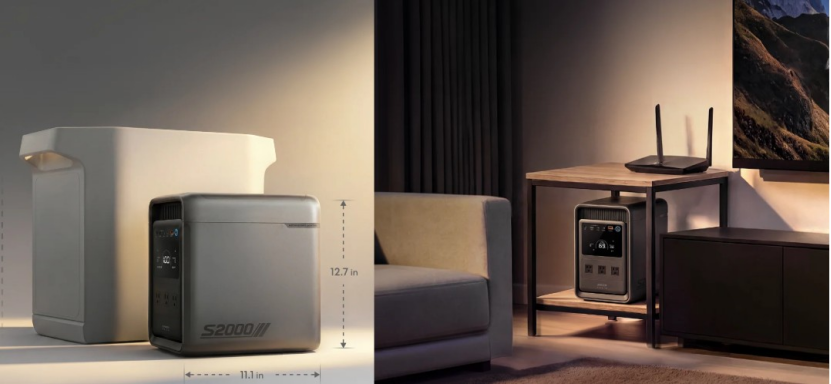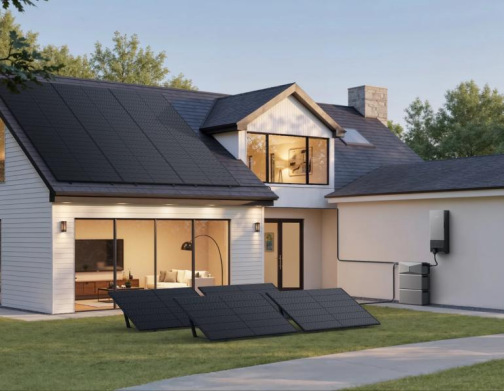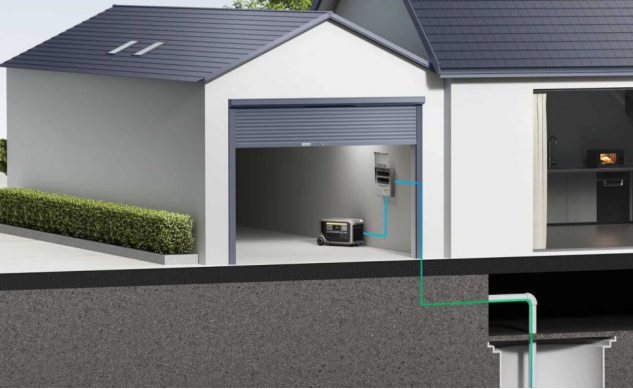
A portable power station should sit on a dry, stable, level surface with open airflow and protection from rain, direct sunlight, and excessive heat. At a campsite, a sheltered spot near your tent, table, vehicle, or RV usually works well when it keeps cables out of walking and cooking areas. Good placement protects the battery and electronics while making outlets easy to reach. Avoid wet ground, enclosed storage spaces, blocked cooling vents, and fire hazards. Thoughtful positioning helps the station operate safely and keeps campsite power convenient throughout your trip.
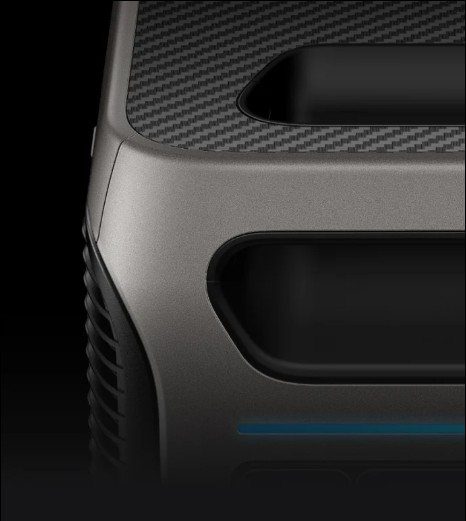
Choose level ground or another stable surface that keeps the power station upright and secure. Avoid loose sand, mud, puddles, steep slopes, or uneven rocks that could cause the unit to shift or tip. If the campsite ground is damp, place the station on a dry platform or suitable raised surface while maintaining ventilation. Check that the base remains supported before connecting devices. Stable placement protects ports and cables from strain, reduces accidental falls, and keeps moisture farther from electrical connections during normal campsite use.
Leave open space around the power station so its cooling system can move air. Keep intake and exhaust vents clear of tents, blankets, clothing, bags, leaves, and other camping gear. Do not operate the unit inside a tightly enclosed box or compartment unless the manufacturer specifically allows it. Follow the model’s recommended clearance and temperature limits. Proper airflow helps the battery, inverter, and charging electronics manage heat, especially when the station supplies demanding equipment or recharges at high input power.
Place the power station in available shade, especially during hot afternoons. Direct sunlight can heat the enclosure and add thermal stress while the battery is charging or powering equipment. Keep the unit well away from campfires, grills, portable heaters, hot cooking surfaces, and other concentrated heat sources. Do not leave it inside a closed vehicle that can become extremely hot. Follow the manufacturer’s approved operating-temperature range. A shaded, ventilated location supports effective cooling and helps the station deliver dependable campsite power without unnecessary heat exposure.
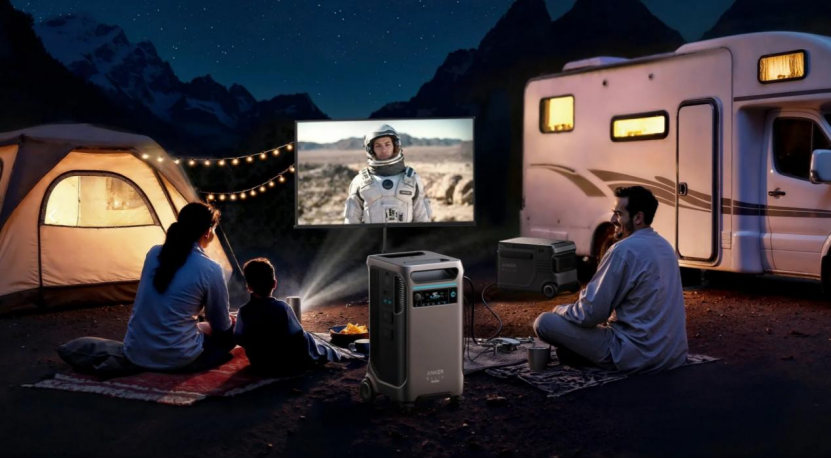
Position the station near your tent for convenient access, but keep it outside sleeping areas unless the manufacturer specifically permits the intended setup and all ventilation requirements are met. Choose a spot beside the tent rather than in the entrance or along a path. Route charging cables along low-traffic edges and make them visible after dark. This arrangement keeps phones, lights, fans, and other devices within practical reach while reducing trip hazards. Maintain weather protection and ventilation even when convenience makes a tighter location tempting.
A camping table, canopy, or shelter can provide access and weather protection when the setup remains stable and ventilated. Place the station on a sturdy surface that can support its weight, away from edges where it could fall. Keep it separated from cooking appliances, hot cookware, fuel, and food-preparation spills. Under a canopy, protect the unit from wind-driven rain without wrapping or enclosing it. Leave vents unobstructed and route cables neatly. This creates an organized charging area for lights, phones, cameras, and other campsite electronics.
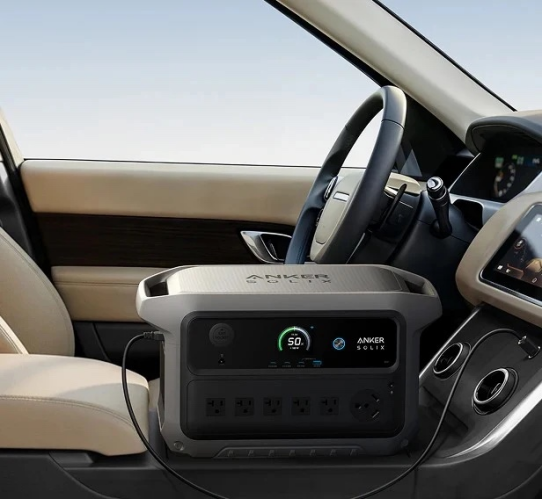
When camping beside a car or RV, place the power station on stable ground or in a manufacturer-approved compartment with adequate ventilation. Avoid leaving an operating unit inside a closed, sun-heated vehicle. Keep charging cables clear of doors, wheels, and moving parts. A well-positioned station can support lights, device charging, and a portable air conditioner for camping when the appliance’s running and surge requirements fit the station’s ratings. Follow manufacturer guidance for vehicle charging, storage, temperature limits, and cable connections.
Never place a portable power station on wet soil or leave it exposed to rain unless the manufacturer rates the model for those conditions. Water around outlets, charging ports, or damaged connections can create electrical hazards and harm equipment. Use a dry, elevated, weather-protected location while preserving the airflow required for operation. If conditions worsen, disconnect equipment and move the station to shelter when safe. Do not assume a tent wall or light fabric cover provides adequate campsite rain protection during wind or heavy weather.
Do not drape blankets, towels, clothing, tarps, or bags over a power station. These materials can block cooling vents and trap heat around the enclosure. Avoid placing the unit inside a sealed storage bin to protect it from weather. Use a sheltered setup that keeps rain away while leaving the ventilation clearances specified by the manufacturer. Check vents periodically for leaves, dust, or camping debris. Unrestricted airflow helps the station control temperature and reduces unnecessary thermal shutdowns under sustained loads.
Plan cable routes before darkness makes them harder to see. Keep cords away from tent entrances, paths, chairs, and other areas with foot traffic. Maintain distance from campfires, grills, stoves, hot cookware, and fuel because heat can damage cable insulation and cooking activity increases spill risks. Use compatible cables in good condition and avoid loose or improvised connections. Where cords must cross a visible area, secure and mark them. Organized cable placement reduces tripping, accidental unplugging, heat exposure, and strain on the power station’s ports.
The best campsite location for a portable power station is dry, level, shaded, ventilated, and protected from rain, heat, and foot traffic. Place it near needed devices without blocking tent entrances or walkways, and keep it separated from fires and cooking equipment. Around cars, RVs, tables, or shelters, maintain airflow and protect cables. Avoid wet ground, sealed containers, and covered vents. With careful placement and manufacturer guidance, your power station can provide dependable nighttime campsite electricity safely while keeping the campsite safer and better organized.