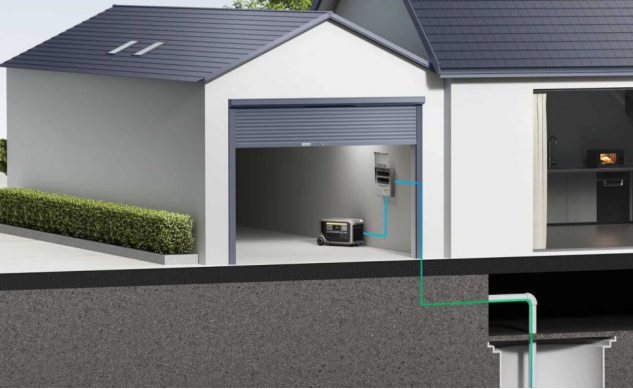
Installing solar panels is a sequence of design, approval, construction, and testing tasks. Each step depends on the one before it, so a rushed decision can create delays or additional cost. The best installations begin with an energy assessment and a clear understanding of the roof, electrical system, and household goals. Safety and documentation matter throughout the process. In this article, we outline the main steps in installing solar panels. Small details in the plan often determine whether the final result feels convenient or complicated.
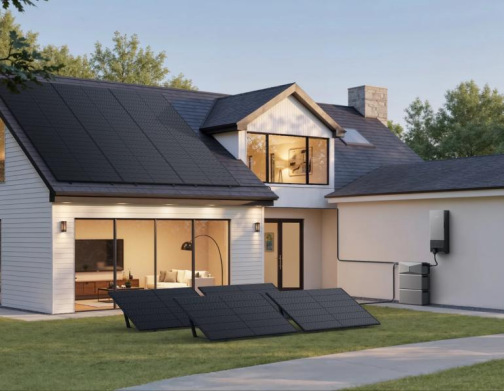
Review a year of electricity bills to understand monthly and annual consumption. Measure the available roof area and check orientation, tilt, shading, and structural condition. Decide whether the main goal is bill reduction, backup power, environmental impact, or a combination. These priorities determine the array size and whether battery storage is worthwhile. A site visit should also confirm access for equipment and cable routes. The assessment creates the technical brief for the system design. Comparing cost with useful performance is more reliable than judging a system by one specification alone. The household should understand how to operate the system safely and what to do when conditions change.
When installing solar panels, the design must comply with local electrical and building requirements. Permit applications may require drawings, equipment specifications, and structural information. Utility approval is usually needed before grid connection. The project schedule should account for review times, corrections, and inspections. Starting paperwork early prevents the equipment from arriving before the site is legally ready. The household should understand how to operate the system safely and what to do when conditions change. Small adjustments to timing and usage often improve results without requiring new equipment. Technical choices should be documented so installers and service technicians can understand the original design. Regular reviews turn general advice into decisions based on the home's actual energy pattern.
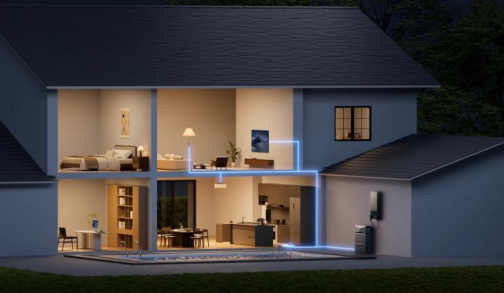
Roof anchors, flashing, rails, and clamps must be installed to protect the building envelope. Cables should be protected from sunlight, water, and physical damage, with service loops where needed. Ground-mounted systems need foundations and clearance for snow and maintenance. The inverter, disconnects, and monitoring equipment are installed in accessible locations. Only qualified workers should handle high-voltage or grid-connected components. Careful mounting protects both the panels and the home. Small adjustments to timing and usage often improve results without requiring new equipment. Technical choices should be documented so installers and service technicians can understand the original design. Regular reviews turn general advice into decisions based on the home's actual energy pattern.
The installer checks polarity, grounding, insulation, and communication before energising the system. An electrical inspection confirms that the work meets local requirements. Commissioning records baseline production and verifies shutdown procedures. The utility may then grant permission to operate. A clear handover should include manuals, diagrams, and service contacts. No system should be left running without a completed safety review. Technical choices should be documented so installers and service technicians can understand the original design. Regular reviews turn general advice into decisions based on the home's actual energy pattern. A balanced approach protects both day-to-day convenience and long-term reliability. A written record of settings, measurements, and assumptions also makes the plan easier to review later.
Monitoring shows how much energy the array produces and how much the home uses directly. Compare actual output with the estimate and investigate persistent differences. Shade, snow, dirt, and equipment faults can reduce performance. A battery may change the amount of solar energy used at night. Reviewing data helps the household adjust schedules and identify maintenance needs. The first year provides the most useful baseline for future comparison. Regular reviews turn general advice into decisions based on the home's actual energy pattern. A balanced approach protects both day-to-day convenience and long-term reliability. A written record of settings, measurements, and assumptions also makes the plan easier to review later.
Inspect the array periodically and clean it only when safe and permitted. Check inverter warnings, battery status, and cable condition. Keep trees trimmed if shade is increasing. Schedule professional service when required and keep records of every visit. Plan for eventual inverter or battery replacement within the system budget. A simple maintenance plan protects performance over the full life of the installation. A balanced approach protects both day-to-day convenience and long-term reliability. A written record of settings, measurements, and assumptions also makes the plan easier to review later. The result should be checked again after several weeks of normal use, because real demand often differs from the first estimate.
The main steps in installing solar panels are energy assessment, site design, permits, utility approval, mounting, wiring, inspection, and commissioning. Monitoring and maintenance continue after the system begins operating. A clear sequence reduces delays and keeps safety visible at every stage. With careful planning, the installation becomes a durable energy asset rather than a one-time construction project. The best outcome combines practical planning, safe operation, and regular review. Keep the original goal in view while allowing the details to evolve. With sensible checks and maintenance, the investment can remain useful for years.