Lithium polymer and lithium-ion batteries are related technologies with different packaging and design priorities. Both store energy through lithium chemistry, but their physical construction affects shape, weight, safety systems, and suitable applications. The terms are sometimes used loosely, which makes product comparisons confusing. Understanding the differences helps users judge battery claims and choose equipment for the right job. In this article, we compare lithium polymer and lithium-ion batteries in practical terms. A little preparation also makes professional advice easier to compare. The useful approach is to compare practical requirements before focusing on product features.
A pouch-style lithium battery often uses a flexible package that can be shaped to fit compact devices. Lithium-ion cells commonly use rigid cylindrical or prismatic cases. The pouch format can reduce weight and allow thinner products, while rigid cells provide strong mechanical protection and established manufacturing standards. The outer case is not the whole safety system, so both types require electronic protection and careful thermal design. Physical form influences what can be built around the battery. The best package depends on the product and the available space. Seasonal weather, new appliances, and changes in household routine can alter the most useful choice over time.
Both chemistries can offer high energy density, but packaging and system design create practical differences. A lithium polymer battery may fit into thin consumer electronics where a rigid cell would be too bulky. Large backup systems often favour robust cells that are easier to manage in modules. Weight, cycle life, charging rate, and safety electronics matter as much as the chemistry label. The application should determine the choice. Keeping safety, maintenance, and future expansion in view prevents a short-term benefit from creating a longer-term limitation. Before relying on any headline figure, confirm the operating limits, installation requirements, and conditions that affect real performance. A practical plan should be specific enough to measure and flexible enough to adjust when conditions change.

Modern lithium batteries use protection systems that support safe, reliable operation across charging and discharging. A battery management system monitors voltage, current, and cell temperature and adjusts behaviour when conditions change. Protective packaging and mechanical support help pouch and rigid cells perform well in different product designs. Quality control and correct charging are important parts of the complete system. Following the manufacturer's guidance helps the battery remain in good condition throughout its service life. Good design combines cells, electronics, enclosure, and operating limits. Before relying on any headline figure, confirm the operating limits, installation requirements, and conditions that affect real performance. A practical plan should be specific enough to measure and flexible enough to adjust when conditions change.
Cycle life varies by exact chemistry, depth of discharge, temperature, and charging behaviour. Generalising about all lithium polymer or lithium-ion products can be misleading. Check the product's rated cycles and warranty instead of relying on the category name. Keeping the battery cool and avoiding deep discharge usually supports longer service life. Large stationary systems often prioritise durability, while portable devices may prioritise size and weight. The expected use pattern should guide the comparison. A practical plan should be specific enough to measure and flexible enough to adjust when conditions change. The best result usually comes from comparing several realistic scenarios rather than one ideal day.
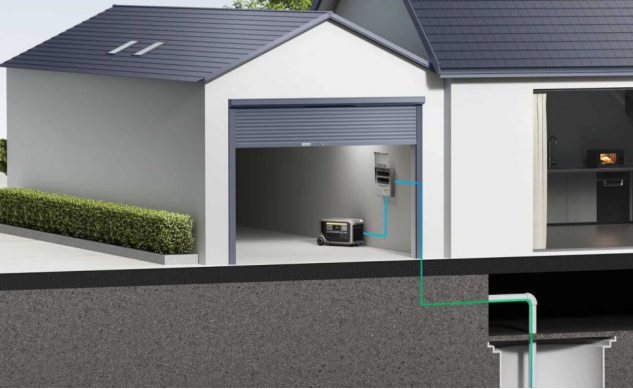
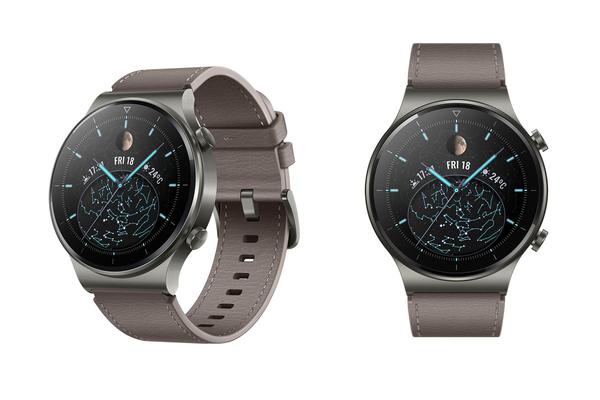
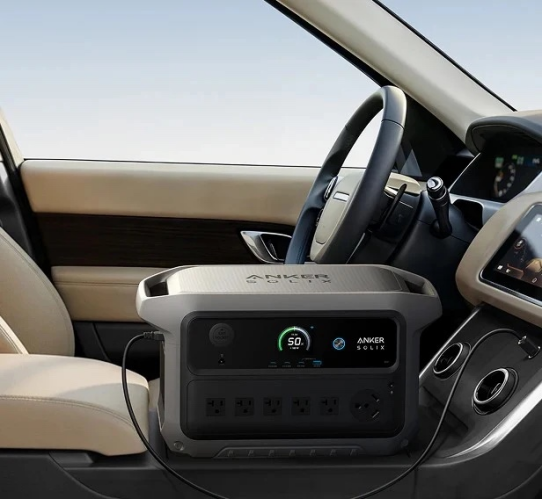
Thin phones, wearables, and compact accessories often benefit from pouch-style cells. Portable power stations and home backup systems may use larger lithium-ion modules designed for repeated cycling. The operating environment matters because extreme heat, cold, and vibration affect both types. Consider how the product will be charged, stored, and serviced. A battery that fits the device but cannot handle the workload is not a good choice. Match the chemistry and format to the task. The best result usually comes from comparing several realistic scenarios rather than one ideal day. It is also useful to separate essential needs from optional loads before making a final decision.
Look for usable capacity, voltage, continuous output, peak output, cycle rating, and warranty. Check whether the manufacturer explains the battery management and temperature limits. A high capacity figure is not useful if the output cannot run the intended appliance. For backup power, safety certification and clear instructions are essential. Compare complete systems rather than individual cells. The specification should answer how the battery performs in real use, not only what it contains. It is also useful to separate essential needs from optional loads before making a final decision. Monitoring the system after installation shows whether the original assumptions remain accurate. Where equipment is involved, the electrical limits and service requirements deserve the same attention as capacity.
Lithium polymer and lithium-ion batteries share similar chemistry but differ in packaging, shape, and practical design. Safety, cycle life, energy density, and performance depend on the complete battery system rather than the label alone. Choose a product that matches the device, workload, and operating conditions. With clear specifications and proper care, either type can provide reliable service. With sensible checks and maintenance, the investment can remain useful for years. Reviewing the results over time will show whether the approach still matches the home's needs.